travel_made_easy
6 items
A quietly beautiful guide to the world’s best stargazing destinations—and when to visit them.
Note
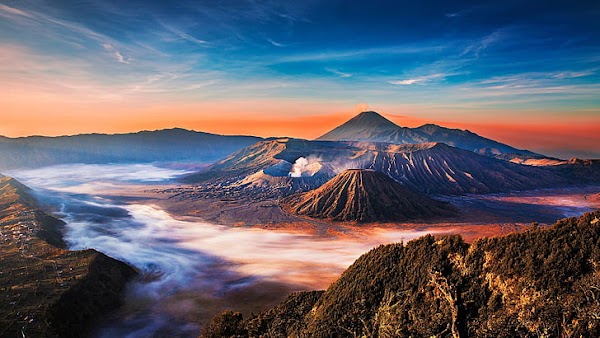
Fun Fact: The combination of volcanic landscapes and cool highland air creates a dramatic, atmospheric backdrop for astrophotography. Best Time to Visit: May to September. Celestial Highlights: The core of the Milky Way is visible directly above the caldera during the dry season.
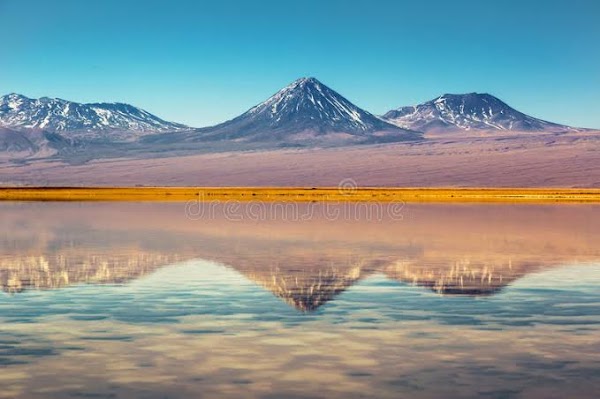
Fun fact: It is the global gold standard for astronomy, offering over 300 clear nights a year and air dry enough for advanced submillimeter radiation research. Best time to visit: March to October. Celestial highlights: Features the Southern Cross and the Omega Centauri cluster, with exceptional views of Jupiter and Saturn expected in 2026.
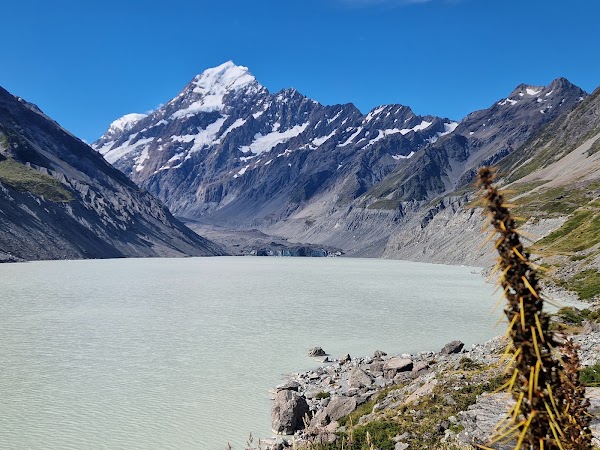
Fun fact:This reserve integrates traditional Māori astronomical knowledge, including Matariki (the Pleiades), which marks the Māori New Year. Best tme to visit: May to September. Celestial highlights: High probability of seeing the Aurora Australis (Southern Lights) and the "Blood Moon" total lunar eclipse on March 3, 2026.
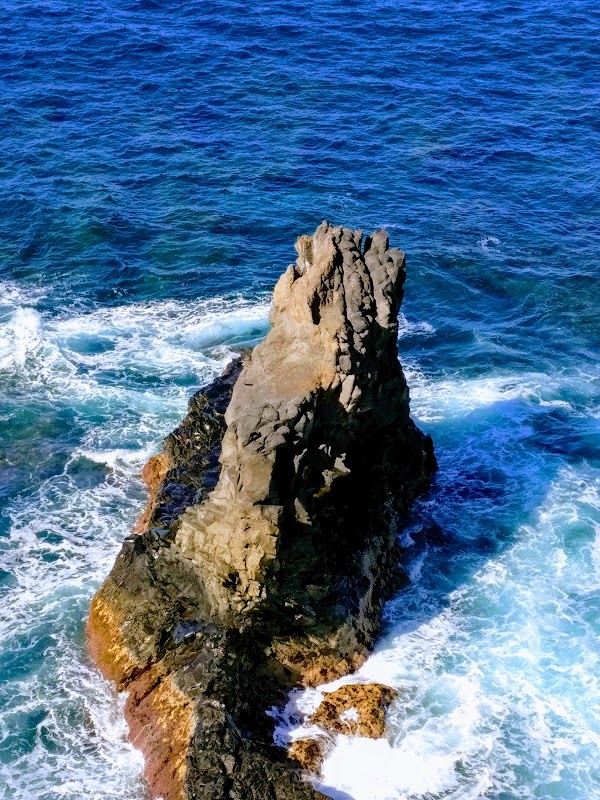
Fun fact: The island is often positioned above a "sea of clouds" (mar de nubes) that acts as a natural filter, blocking out low-level light pollution. Best time to visit: June and July for summer stars, or winter for Orion. Celestial highlights: Offers views of the star Vega and the constellation Lyra, and is a strategic spot for the August 2026 solar eclipse.
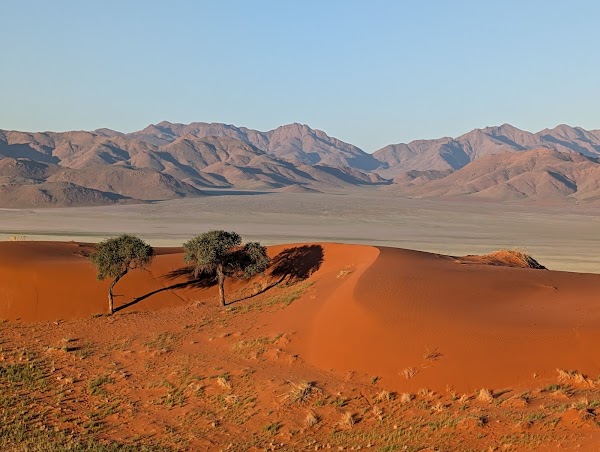
Fun fact: This Gold Tier International Dark Sky Reserve features "star beds" — open-air sleeping platforms that allow for continuous observation throughout the night. Best time to visit: May to October. Celestial highlights: One of the best spots to see the triangular "Zodiacal Light" and the Large and Small Magellanic Clouds.
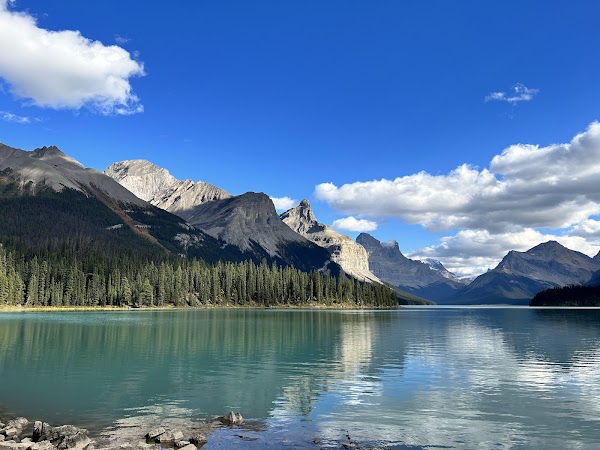
Fun fact:As the world’s second-largest Dark-Sky Preserve, its high-altitude valleys create a "cold-trap" effect that clears moisture for perfect transparency. Best time to visit: October for the Dark Sky Festival, or November to February for the Aurora Celestial highlights: Prime viewing for the Aurora Borealis and the Geminid meteor shower, which can produce 120 meteors per hour.